 Greenly
How to care for lucky bamboo (Dracaena sanderiana)
Dracaena sanderiana · Sander's dracaena, Ribbon dracaena, Chinese water bamboo
Lucky bamboo (Dracaena sanderiana) — not a bamboo but a dracaena from tropical Africa, with upright green canes and bright green, strap-like leaves; sold as cut canes in water or in compost, often trained into spirals or braids, and can reach 1–1.5 m. Lucky bamboo needs partial shade. Water it about every 7 days while it grows and about every 7 days in the winter rest.

Watering and repotting lucky bamboo through the year
It lives indoors all year, so it has no sowing or planting dates: it grows from March to September and rests from October to February (the other way round in the southern hemisphere).
Repot it about every 36 months.
When to plant lucky bamboo?
Plant or repot lucky bamboo in spring, as it starts into growth; early to midsummer also works. It is a houseplant, so it has no outdoor planting date and no frost decides it: just avoid autumn and winter, when growth slows and fresh compost stays wet too long. After that, move it to a slightly larger pot about every three years, or sooner once roots circle the pot or grow through the drainage holes.
Watering in the growing and resting halves of the year: Watering and repotting lucky bamboo through the year.
Sources: RHS: How to repot a plant · Penn State Extension: Repotting houseplants
Quick facts
| Type | Houseplant |
|---|---|
| Latin name | Dracaena sanderiana |
| Family | Asparagaceae |
| Also called | Sander's dracaena, Ribbon dracaena, Chinese water bamboo |
| Light | Partial shade |
| Frost | does not tolerate frost |
| Repotting | every 36 months |
| Grown in | At home |
Where does lucky bamboo grow?
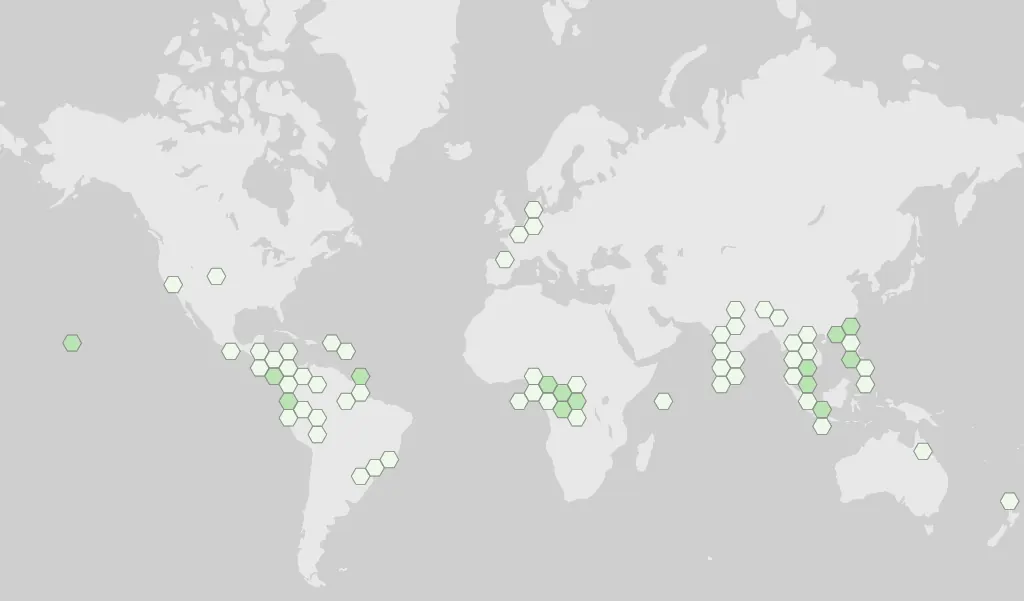
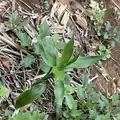
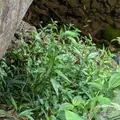
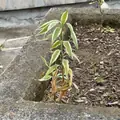
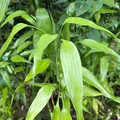
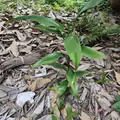
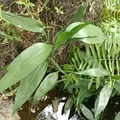
518 records of the plant in gardens, fields and the wild worldwide; most photos come from Congo - Kinshasa, Cameroon, Gabon, Taiwan, and Netherlands.
Lucky bamboo care by growth stage
At home
| Stage | Watering | Temperature | Feeding |
|---|---|---|---|
| Growth | every 7 days | — | balanced (NPK), 14 days into the stage; balanced (NPK), 74 days into the stage; balanced (NPK), 134 days into the stage; balanced (NPK), 194 days into the stage |
| Winter rest | every 7 days | — | — |
Growing notes
Light
Bright, indirect light, such as an east- or north-facing room. Direct sun browns the leaves.
Soil
In water, use chlorine-free water with pebbles or marbles in the bottom to hold the canes upright. In a pot, use a well-drained potting compost for indoor or tropical plants.
Care
In water, keep the roots and at least 2–3 cm of stem covered, change the water every week and add liquid houseplant feed at a quarter of the usual rate every other month. In compost, water when the top 2–3 cm are dry, let it drain and never leave water in the saucer; feed monthly in the growing season, stake tall canes until rooted and repot every two to three years. Fluoride in tap water can brown the leaf tips, as can dry air; too much water yellows the leaves and rots the canes. New plants root from a shoot of new growth placed in water in 2–3 weeks. Watch for spider mites, mealybugs, aphids and scale. ASPCA lists dracaenas (ribbon plant) as toxic to cats and dogs, causing vomiting, drooling and depression; the sap can irritate skin.
Pests and diseases of Lucky bamboo
2 problems are recorded for lucky bamboo; each has a page with symptoms, treatment and prevention.
Pests
Other plants of the Asparagaceae family
Lucky bamboo belongs to Asparagaceae; 12 other plants of this family have a guide here.
 Spider Plant
 Snake Plant
 Yucca
 Ponytail palm
 Aspidistra
 Dracaena
 Asparagus fern
 Ti plant
Plant lists it is in
Part of: Houseplants · Houseplants you rarely repot
Sources
Figures checked against these sources.
- aspca.org/pet-care/animal-poison-control/toxic-and-non-toxic-plants/ribbon-plant
- plants.ces.ncsu.edu/plants/dracaena-sanderiana/
- gbif.org/species/7431653
- en.wikipedia.org/wiki/Dracaena_braunii
- wikidata.org/wiki/Q27686509
- wikidata.org/wiki/Q31318
- en.wikipedia.org/wiki/Dracaena_sanderiana
- uk.wikipedia.org/wiki/Phalaenopsis_sanderiana
- ru.wikipedia.org/wiki/Драцена_Брауна
- es.wikipedia.org/wiki/Dracaena_braunii
- it.wikipedia.org/wiki/Dracaena_braunii
- fr.wikipedia.org/wiki/Dracaena_sanderiana
- fr.wikipedia.org/wiki/Dracaena_braunii
- pt.wikipedia.org/wiki/Dracaena_braunii
- de.wikipedia.org/wiki/Dracaena_braunii
- cs.wikipedia.org/wiki/Dračinec_pruhovaný
- pl.wikipedia.org/wiki/Dracena_Sandera
- hgic.clemson.edu/how-to-grow-and-care-for-lucky-bamboo-dracaena-sanderiana/
- rhs.org.uk/plants/6097/dracaena-sanderiana-v/details
- rhs.org.uk/plants/dracaena/how-to-grow-dracaena
