 Greenly
How to grow Celosia argentea
Celosia argentea · cockscomb, plumed cockscomb
When to sow celosia?
Sow for seedlings about 6 weeks before planting out.
Plant out in open ground about a week after your last spring frost, once the soil is warm.
In an unheated greenhouse everything moves about three weeks earlier.
It flowers about 85 days after the shoots appear and keeps flowering for about 90 days.
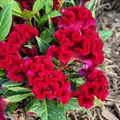
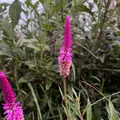
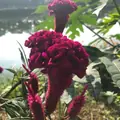
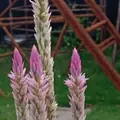
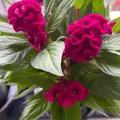
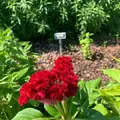
Celosia (Celosia argentea) — a tropical annual of the amaranth family grown for its velvety flower heads — feathery plumes, crested "cockscombs" folded like coral, or slim spikes — in red, orange, yellow, pink, purple and cream. It thrives in heat and humidity and flowers from summer to the first frost; the heads last up to two weeks in a vase and dry well. Young leaves are edible, and NC State lists it as non-toxic to cats, dogs and horses. Celosia grows best in full sun and soil with pH 6–7. Water it about every 4 days while it grows.

Quick facts
| Type | Flower |
|---|---|
| Latin name | Celosia argentea |
| Family | Amaranthaceae |
| Also called | cockscomb, plumed cockscomb |
| Planted as | seed |
| How it is started | from seedlings or sown straight into the bed |
| Life span | grown for one season |
| Planting season | spring |
| Light | Full sun |
| Soil pH | 6–7 |
| Frost | does not tolerate frost |
| Soil for sowing | from 16 °C |
| Germination | 10 days |
| Seedlings ready | 35 days |
| First flowers | 85 days after the shoots appear |
| Flowering lasts | 90 days |
| Grown in | Greenhouse, Open ground, At home |
How long does celosia take from sowing to flowering?
From sowing to the first flowers: about 95 days, or 14 weeks.
| Step | Day |
|---|---|
| Sowing | 0 |
| Shoots appear | 10 |
| Seedlings ready to plant out | 45 |
| First flowers | 95 |
| End of flowering | 185 |
Days count from the day of sowing or planting, by the figures of the card.
Where does celosia grow?
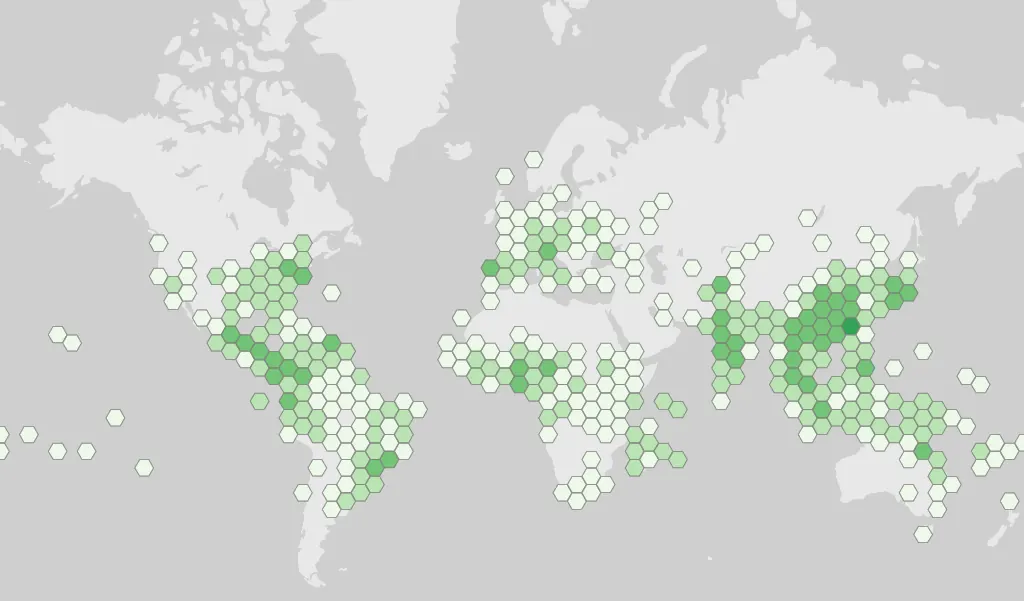
18,148 records of the plant in gardens, fields and the wild worldwide; most photos come from Taiwan, India, United States, Brazil, and Indonesia.
Celosia care by growth stage
Greenhouse
| Stage | Watering | Temperature | Feeding |
|---|---|---|---|
| Seedlings | every 2 days | 17…20 °C | — |
| Growth | every 4 days | 20…40 °C | balanced (NPK), at the start of the stage; balanced (NPK), 49 days into the stage |
| Flowering | every 4 days | 20…40 °C | — |
Open ground
| Stage | Watering | Temperature | Feeding |
|---|---|---|---|
| Seedlings | every 2 days | 17…20 °C | — |
| Growth | every 4 days | 20…40 °C | balanced (NPK), at the start of the stage; balanced (NPK), 49 days into the stage |
| Flowering | every 4 days | 20…40 °C | — |
At home
| Stage | Watering | Temperature | Feeding |
|---|---|---|---|
| Seedlings | every 2 days | 17…20 °C | — |
| Growth | every 3 days | 20…40 °C | balanced (NPK), at the start of the stage; balanced (NPK), 49 days into the stage |
| Flowering | every 3 days | 20…40 °C | — |
Growing notes
Light
Full sun — strong light keeps the plants compact and the colours bright.
Soil
Fertile, moist, well-drained soil rich in organic matter, pH 6.0–7.0. It also copes with dry, porous soil, but wet, heavy ground causes root rot.
Care
Sow 6–8 weeks before planting out at 22–27 °C, pressing the tiny seed into the surface or covering it only very lightly, and water from below; seedlings appear in 8–14 days. Grow them at 17–20 °C — cold and short days make them flower too early. Any frost kills celosia, so plant out only when the weather is warm, or sow directly once it stays above 16 °C. Space plants 15 cm apart for one big head each or 23–30 cm apart for many branching stems, and pinch the tip at 15–20 cm tall for more stems. Water deeply about twice a week, more often in a heat wave, at the base of the plant, and feed at planting and again 6–8 weeks later if growth slows. Stake tall varieties. Crowding, rain and high humidity rot the flower heads; aphids, thrips, slugs, powdery mildew and leaf blight are the usual troubles, and spider mites indoors.
Pests and diseases of Celosia
1 problem is recorded for celosia; it has a page with symptoms, treatment and prevention.
Pests
Other plants of the Amaranthaceae family
Celosia belongs to Amaranthaceae; 3 other plants of this family have a guide here.
 Beet
 Swiss Chard
 Spinach
Plant lists it is in
Part of: Garden flowers · Annual flowers from seed · Long-flowering plants · Flowers to sow straight into the bed
Sources
Figures checked against these sources.
- gbif.org/species/3085191
- en.wikipedia.org/wiki/Celosia_argentea
- uk.wikipedia.org/wiki/Celosia_argentea
- ru.wikipedia.org/wiki/Целозия_серебристая
- es.wikipedia.org/wiki/Celosia_argentea
- plants.ces.ncsu.edu/plants/celosia-argentea/
- extension.msstate.edu/publications/cockscomb-celosia-argentea-var-cristata-for-the-farmer-
- pfaf.org/user/Plant.aspx?LatinName=Celosia+argentea
- floretflowers.com/how-to-grow-celosia/
- yardandgarden.extension.iastate.edu/how-to/germination-requirements-annuals-and-vegetables
- johnnyseeds.com/growers-library/flowers/celosia/celosia-key-growing-information.html
- blogs.cornell.edu/hightunnels/flowers/cut-flowers/cut-flower-crops/celosia/
- extension.illinois.edu/flowers/caring-annuals
