 Greenly
How to grow Swiss chard
Beta vulgaris · chard, silver beet
When to sow swiss chard?
Sow for seedlings about 6 weeks before planting out.
It tolerates light frost: plant out in open ground about three weeks before your last spring frost.
In an unheated greenhouse everything moves about three weeks earlier.
The first harvest comes about 50 days after the shoots appear.
Swiss Chard (Beta vulgaris) — a leafy beet grown for its large leaves and thick, often colourful stalks. It is picked again and again over a long season and takes light frosts; in mild climates it survives the winter outdoors. Swiss Chard grows best in full sun and soil with pH 6–7. Water it about every 4 days while it grows.

Quick facts
| Type | Vegetable |
|---|---|
| Latin name | Beta vulgaris |
| Family | Amaranthaceae |
| Also called | chard, silver beet |
| Planted as | seed |
| How it is started | from seedlings or sown straight into the bed |
| Life span | grown for one season |
| Planting season | spring |
| Light | Full sun |
| Soil pH | 6–7 |
| Frost | tolerates light frost |
| Soil for sowing | from 5 °C |
| Germination | 10 days |
| Seedlings ready | 30 days |
| Shoots to harvest | 50 days |
| Grown in | Greenhouse, Open ground, At home |
How long does it take to grow Swiss chard?
From sowing to the first harvest: about 60 days (9 weeks). Shoots appear after about 10 days, the seedlings are ready to plant out at about day 40, and the first harvest comes about 20 days after planting out.
- Germination — 10 days
- Seedlings — 30 days
- In the bed — 20 days
| Step | Day |
|---|---|
| Sowing | 0 |
| Shoots appear | 10 |
| Seedlings ready to plant out | 40 |
| First harvest | 60 |
Days count from the day of sowing or planting, by the figures of the card. In an unheated greenhouse the Greenly calendar brings the harvest about 10 % sooner.
Swiss Chard is number 14 of 63 on our list from the fastest crop to the slowest. Close to it on the list: beet (60 days), green beans (60 days), cucumber (62 days), kohlrabi (62 days). Days to harvest: all vegetables, herbs and berries
Where does swiss chard grow?
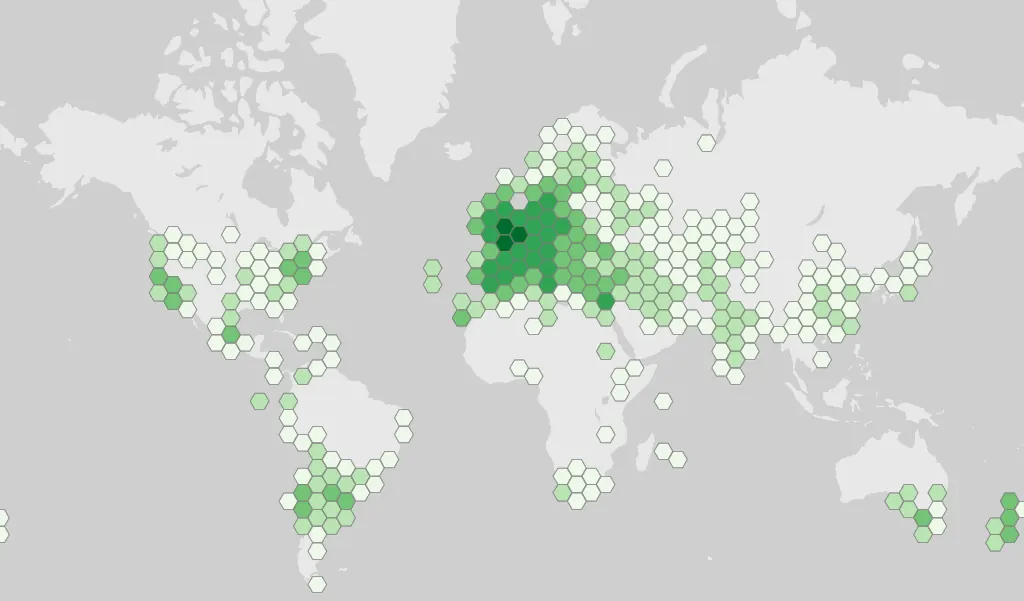
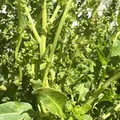
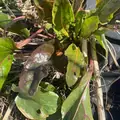
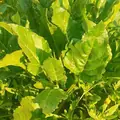
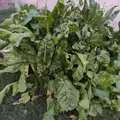
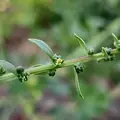
167,593 records of the plant in gardens, fields and the wild worldwide; most photos come from United Kingdom, France, Spain, Portugal, and Italy.
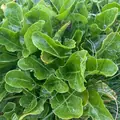
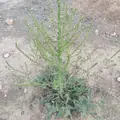
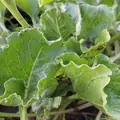
Swiss Chard care by growth stage
Greenhouse
| Stage | Watering | Temperature | Feeding |
|---|---|---|---|
| Seedlings | every 2 days | 15…22 °C | — |
| Growth | every 3 days | 12…24 °C | nitrogen, 14 days into the stage |
| Harvest | every 3 days | 10…24 °C | — |
Open ground
| Stage | Watering | Temperature | Feeding |
|---|---|---|---|
| Seedlings | every 2 days | 10…20 °C | — |
| Growth | every 4 days | 5…24 °C | nitrogen, 14 days into the stage |
| Harvest | every 4 days | 0…24 °C | — |
At home
| Stage | Watering | Temperature | Feeding |
|---|---|---|---|
| Seedlings | every 2 days | 18…22 °C | — |
| Growth | every 3 days | 15…24 °C | nitrogen, 14 days into the stage |
| Harvest | every 3 days | 15…24 °C | — |
Growing notes
Light
Grows best in full sun, at least 6 hours a day; tolerates light shade, especially in hot summers.
Soil
Rich, moisture-retentive but free-draining soil with plenty of compost, pH 6–7.
Care
Water young plants regularly and give 25–50 mm a week in dry spells; hot weather can make plants bolt. Side-dress once with a nitrogen fertiliser about four weeks after transplanting or thinning; in fertile soil chard often needs no feeding. Pick the outer leaves and let the centre keep growing.
Pests and diseases of Swiss Chard
3 problems are recorded for Swiss chard; each has a page with symptoms, treatment and prevention.
Diseases
Pests
Other plants of the Amaranthaceae family
Swiss Chard belongs to Amaranthaceae; 3 other plants of this family have a guide here.
 Beet
 Spinach
 Celosia
Plant lists it is in
Sources
Figures checked against these sources.
- gbif.org/species/8971274
- wikidata.org/wiki/Q157954
- en.wikipedia.org/wiki/Chard
- uk.wikipedia.org/wiki/Мангольд
- ru.wikipedia.org/wiki/Мангольд
- es.wikipedia.org/wiki/Beta_vulgaris_var._cicla
- rhs.org.uk/vegetables/chard/grow-your-own
- extension.usu.edu/yardandgarden/research/swiss-chard-in-the-garden
- extension.msstate.edu/news/southern-gardening/2026/chard-broccoli-kale-thrive-winter-garde
- extension.umd.edu/resource/swiss-chard
- extension.oregonstate.edu/gardening/soil-compost/soil-temperature-conditions-vegetable-see
- hgic.clemson.edu/factsheet/arugula-kale-mesclun-mustard-and-swiss-chard/
