 Greenly
How to grow apricot
Prunus armeniaca · apricot tree
When to plant apricot?
Planted as a young plant from a nursery while it is dormant — in early spring before the buds open, or in autumn after leaf fall.
Harvest from July to August (northern hemisphere).
Apricot (Prunus armeniaca) — a stone-fruit tree grown for its sweet fruits, picked from late July to August. It flowers earlier than any other tree fruit, so spring frost often takes the blossom; it is grown in USDA zones 5–8. Apricot grows best in full sun. Water it about every 7 days while it grows.

Quick facts
| Type | Fruit tree |
|---|---|
| Latin name | Prunus armeniaca |
| Family | Rosaceae |
| Also called | apricot tree |
| Planted as | young plants from a nursery |
| Life span | perennial |
| Light | Full sun |
| Frost | tolerates light frost |
| First harvest after planting | about 3 years |
| Flowering | about 26 days before the last spring frost |
| Flowering lasts | 10 days |
| Harvest months | July to August (northern hemisphere) |
| Pruning | right after flowering (it flowers on last year’s shoots) |
| Grown in | Open ground |
Where does apricot grow?
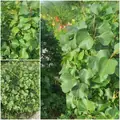
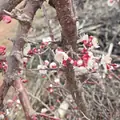
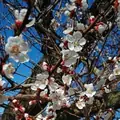
31,752 records of the plant in gardens, fields and the wild worldwide; most photos come from France, Italy, Ukraine, Germany, and United States.

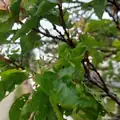
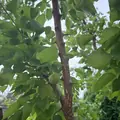
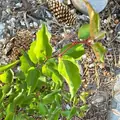
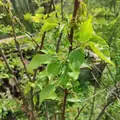

Apricot care by growth stage
Open ground
| Stage | Watering | Temperature | Feeding |
|---|---|---|---|
| Growth | every 7 days | — | nitrogen, at the start of the stage |
| Flowering | every 7 days | — | — |
| Fruiting | every 7 days | — | — |
| Harvest | every 7 days | — | — |
| Winter rest | — | — | — |
Growing notes
Light
A sun lover: give it the warmest, sunniest spot you have.
Soil
Deep, fertile, moisture-retentive but well-drained soil; it rots in wet, heavy ground.
Care
Plant while dormant, between November and March, away from frost pockets. In the first season water about twice a week to keep the soil moist but not soggy, and do not feed a newly planted tree. Prune only in spring or summer. When the fruitlets reach cherry size, thin them to 5–8 cm apart, and cover the tree with fleece on frosty nights during flowering.
How to tell it is ripe
- The skin has turned from green to yellow, orange or red, or a mix of these, depending on the variety.
- The colour is rich and deep over the whole fruit.
- Press gently: a ripe apricot is slightly soft.
- A ripe apricot comes away from the tree easily.
- Twist the fruit slightly as you pull it to spare the fruiting spur, and handle it gently because ripe apricots bruise easily.
Pests and diseases of Apricot
9 problems are recorded for apricot; each has a page with symptoms, treatment and prevention.
Diseases
- Brown rot and blossom wilt
- Cytospora canker
- Honey fungus
- Peach leaf curl: New leaves in spring pucker, thicken and curl, turning red or purple.
- Shot hole
Pests
- Plum moth: A pinkish caterpillar up to 12 mm long with a brown head inside ripe fruit, with brown droppings near the stone.
- San José scale
- Scale insects
Growing conditions
Other plants of the Rosaceae family
Apricot belongs to Rosaceae; 17 other plants of this family have a guide here.
 Sweet cherry
 Apple
 Cherry plum
 Plum
 Pear
 Quince
 Peach
 Sour cherry
Plant lists it is in
Sources
Figures checked against these sources.
- gbif.org/species/7818643
- wikidata.org/wiki/Q37453
- uk.wikipedia.org/wiki/Абрикоса
- ru.wikipedia.org/wiki/Абрикос_обыкновенный
- rhs.org.uk/fruit/apricots/grow-your-own
- extension.usu.edu/yardandgarden/research/apricots-in-the-home-garden
- cumminsnursery.com/learn-trees/fruit-tree-bloom-dates/
- ccetompkins.org/gardening/home-gardening/food-gardening/first-planting-dates
- shawnee.k-state.edu/lawn-garden/Fruit Trees and Frost.pdf
- agris.fao.org/search/zh/records/647473ea425ec3c088f352fd
- extension.oregonstate.edu/catalog/pub/ec-819-growing-tree-fruits-nuts-home-orchard
- extension.unh.edu/blog/fall-good-time-plant-trees-and-shrubs
- extensionpubs.unl.edu/publication/g2089/na/html/view
