 Greenly
How to grow lemon
Citrus × limon
When to plant lemon?
Plant a young citrus tree in spring, once the danger of frost has passed; a container-grown tree can go in at almost any time of year.
In frost-free tropical climates plant it in the rainy season: in Bahia, Brazil, Embrapa advises June and July.
Where winters bring frost, grow it in a pot and bring it under cover as soon as autumn nights start to turn cold.
Harvest from November to February (northern hemisphere).
Lemon (Citrus × limon) — the lemon is an evergreen citrus tree grown for its sour yellow fruit. It does not survive frost, so outside frost-free regions it is kept in a pot that spends winter indoors or in a greenhouse; young grafted trees start fruiting within 1–3 years. Lemon grows best in full sun and soil with pH 5.5–6.5. Water it about every 14 days while it grows.

Quick facts
| Type | Fruit tree |
|---|---|
| Latin name | Citrus × limon |
| Family | Rutaceae |
| Planted as | young plants from a nursery |
| Life span | perennial |
| Light | Full sun |
| Soil pH | 5.5–6.5 |
| Frost | does not tolerate frost |
| First harvest after planting | about 2 years |
| Flowering | about 30 days after the last spring frost |
| Flowering lasts | 30 days |
| Harvest months | November to February (northern hemisphere) |
| Pruning | in late winter, before growth starts |
| Grown in | Greenhouse, Open ground, At home |
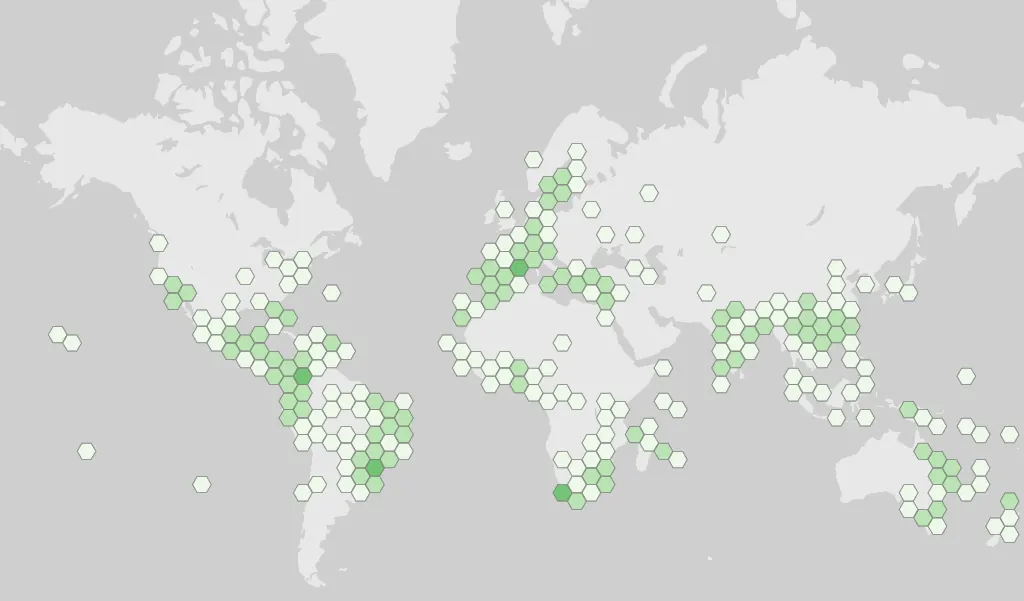
Where does lemon grow?
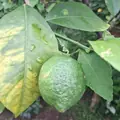
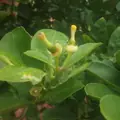
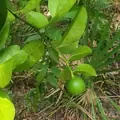
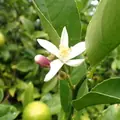
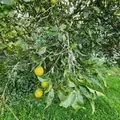
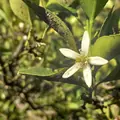
5,266 records of the plant in gardens, fields and the wild worldwide; most photos come from Brazil, India, United States, Spain, and Italy.
Lemon care by growth stage
Greenhouse
| Stage | Watering | Temperature | Feeding |
|---|---|---|---|
| Growth | every 7 days | 13…29 °C | nitrogen, at the start of the stage; nitrogen, 14 days into the stage; nitrogen, 28 days into the stage; nitrogen, 42 days into the stage |
| Flowering | every 7 days | 13…29 °C | nitrogen, at the start of the stage; nitrogen, 14 days into the stage |
| Fruiting | every 7 days | 13…29 °C | nitrogen, at the start of the stage; nitrogen, 14 days into the stage; nitrogen, 28 days into the stage; nitrogen, 42 days into the stage; nitrogen, 56 days into the stage; nitrogen, 70 days into the stage; nitrogen, 84 days into the stage |
| Harvest | every 14 days | 5…18 °C | balanced (NPK), at the start of the stage |
| Winter rest | every 14 days | 5…18 °C | balanced (NPK), at the start of the stage; balanced (NPK), 30 days into the stage; balanced (NPK), 60 days into the stage; balanced (NPK), 90 days into the stage |
Open ground
| Stage | Watering | Temperature | Feeding |
|---|---|---|---|
| Growth | every 14 days | — | nitrogen, at the start of the stage |
| Flowering | every 14 days | — | — |
| Fruiting | every 14 days | — | nitrogen, at the start of the stage |
| Harvest | every 14 days | — | — |
| Winter rest | every 42 days | — | — |
At home
| Stage | Watering | Temperature | Feeding |
|---|---|---|---|
| Growth | every 7 days | 13…29 °C | nitrogen, at the start of the stage; nitrogen, 14 days into the stage; nitrogen, 28 days into the stage; nitrogen, 42 days into the stage |
| Flowering | every 7 days | 13…29 °C | nitrogen, at the start of the stage; nitrogen, 14 days into the stage |
| Fruiting | every 7 days | 13…29 °C | nitrogen, at the start of the stage; nitrogen, 14 days into the stage; nitrogen, 28 days into the stage; nitrogen, 42 days into the stage; nitrogen, 56 days into the stage; nitrogen, 70 days into the stage; nitrogen, 84 days into the stage |
| Harvest | every 14 days | 10…18 °C | balanced (NPK), at the start of the stage |
| Winter rest | every 14 days | 10…18 °C | balanced (NPK), at the start of the stage; balanced (NPK), 30 days into the stage; balanced (NPK), 60 days into the stage; balanced (NPK), 90 days into the stage |
Growing notes
Light
Give it the brightest spot you have, at least 6–8 hours of direct sun, such as a south or south-west window; it can stand outdoors in summer once nights stay above 10 °C.
Soil
Use a quick-draining, slightly acidic potting mix (pH 5.5–6.5) in a pot with good drainage holes; never leave the pot standing in water.
Care
Water thoroughly when the top 5–7 cm of the mix are dry, which in hot weather can mean almost daily; in winter let the surface dry partly before watering. From spring to early autumn feed every two weeks with a nitrogen-rich citrus feed with trace elements, and in winter switch to a balanced winter citrus feed. Keep it at 13–29 °C while growing and rest it at about 10–18 °C in winter; move it indoors gradually before nights drop below about 10 °C. Indoors, hand-pollinate the flowers with a soft brush. Thin branches in February and pinch back new shoots in summer.
How to tell it is ripe
- The fruit has reached full size.
- The skin has turned from green to a rich yellow.
- Colour alone is not a reliable sign; a fully coloured lemon can still be under-ripe inside.
- Taste one fruit; tasting is the only sure way to tell a citrus fruit is ripe.
- Lemons do not ripen further once picked, so leave them on the tree until they taste right.
- Cut the lemon off with secateurs together with a short piece of stalk, because pulling it can damage the fruit.
Pests and diseases of Lemon
2 problems are recorded for lemon; each has a page with symptoms, treatment and prevention.
Pests
Other plants of the Rutaceae family
Lemon belongs to Rutaceae; 3 other plants of this family have a guide here.
 Orange
 Mandarin
 Kumquat
Plant lists it is in
Sources
Figures checked against these sources.
- gbif.org/species/7647136
- wikidata.org/wiki/Q500
- hgic.clemson.edu/factsheet/container-citrus-production/
- hort.extension.wisc.edu/articles/indoor-citrus/
- libguides.nybg.org/citrus
- en.wikipedia.org/wiki/Lemon
- rhs.org.uk/fruit/citrus/grow-your-own
- extension.psu.edu/grow-your-own-lemons
- ucanr.edu/sites/default/files/2025-04/FactSheet_Citrus_Navel Orange_2022.03.07.pdf
- ipm.ucanr.edu/home-and-landscape/harvesting-and-storing-citrus/
- bexar-tx.tamu.edu/?p=3038
