 Greenly
How to grow Calendula officinalis
Calendula officinalis · pot marigold
When to sow calendula?
Sow for seedlings about 6 weeks before planting out.
It tolerates light frost: plant out in open ground about three weeks before your last spring frost.
In an unheated greenhouse everything moves about three weeks earlier.
It flowers about 45 days after the shoots appear and keeps flowering for about 120 days.
Calendula (Calendula officinalis) — hardy annual with orange or yellow daisy-like flowers 5–8 cm across. It blooms over a long season, almost without a break until the first heavy frost, prefers cool weather and may pause in a long hot spell, recovering when it cools down. Calendula grows best in full sun and soil with pH 6–7. Water it about every 7 days while it grows.

Quick facts
| Type | Flower |
|---|---|
| Latin name | Calendula officinalis |
| Family | Asteraceae |
| Also called | pot marigold |
| Planted as | seed |
| How it is started | from seedlings or sown straight into the bed |
| Life span | grown for one season |
| Planting season | spring |
| Light | Full sun |
| Soil pH | 6–7 |
| Frost | tolerates light frost |
| Soil for sowing | from 15 °C |
| Germination | 10 days |
| Seedlings ready | 35 days |
| First flowers | 45 days after the shoots appear |
| Flowering lasts | 120 days |
| Grown in | Greenhouse, Open ground, At home |
How long does calendula take from sowing to flowering?
From sowing to the first flowers: about 55 days, or 8 weeks.
| Step | Day |
|---|---|
| Sowing | 0 |
| Shoots appear | 10 |
| Seedlings ready to plant out | 45 |
| First flowers | 55 |
| End of flowering | 175 |
Days count from the day of sowing or planting, by the figures of the card.
Where does calendula grow?
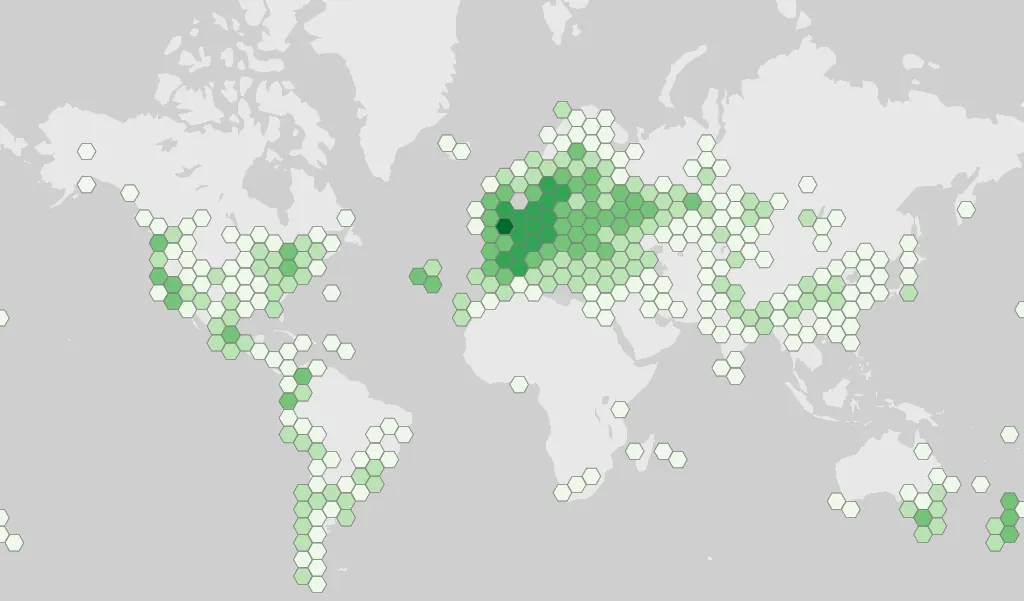
53,373 records of the plant in gardens, fields and the wild worldwide; most photos come from Germany, France, United Kingdom, Spain, and Netherlands.
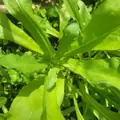

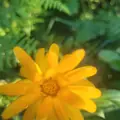
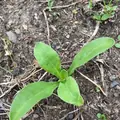
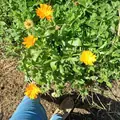
Calendula care by growth stage
Greenhouse
| Stage | Watering | Temperature | Feeding |
|---|---|---|---|
| Seedlings | every 3 days | — | — |
| Growth | every 4 days | — | balanced (NPK), at the start of the stage |
| Flowering | every 4 days | — | balanced (NPK), 30 days into the stage; balanced (NPK), 60 days into the stage; balanced (NPK), 90 days into the stage |
Open ground
| Stage | Watering | Temperature | Feeding |
|---|---|---|---|
| Seedlings | every 3 days | — | — |
| Growth | every 7 days | — | balanced (NPK), at the start of the stage |
| Flowering | every 7 days | — | balanced (NPK), 30 days into the stage; balanced (NPK), 60 days into the stage; balanced (NPK), 90 days into the stage |
At home
| Stage | Watering | Temperature | Feeding |
|---|---|---|---|
| Seedlings | every 3 days | — | — |
| Growth | every 3 days | — | balanced (NPK), at the start of the stage |
| Flowering | every 3 days | — | balanced (NPK), 30 days into the stage; balanced (NPK), 60 days into the stage; balanced (NPK), 90 days into the stage |
Growing notes
Light
Full sun, at least 6 hours of direct light a day. A little shade helps in hot summers, but in too much shade the plants grow leggy.
Soil
Any well-drained, moderately fertile soil with a pH of 6–7. Plants flower best when they are not heavily fed.
Care
Sow 0.5–1 cm deep around the last frost date, or start indoors 4–8 weeks earlier; cover the seed, as light inhibits germination. Seedlings appear in 1–2 weeks; thin them to 20–30 cm apart and pinch young plants for bushier growth. In mid-summer give about 25–38 mm of water a week without waterlogging, and a complete fertiliser about once a month. Deadhead regularly for more flowers, leaving a few heads if you want self-sown seedlings. Plants survive frost down to about −4 °C. Watch for aphids, whitefly and powdery mildew.
Pests and diseases of Calendula
3 problems are recorded for calendula; each has a page with symptoms, treatment and prevention.
Diseases
Pests
Calendula companion plants: good and bad neighbours
Each pair has a source and an evidence level: many companion-planting tips are tradition, not research.
What not to plant next to calendula?
- Cabbage (research-backed): In a UNH Extension trial of flowers grown beside brassicas to attract beneficial insects, calendula hosted the imported cabbageworm, a cabbage pest, and drew fewer hoverflies than dill or cilantro. Sources: extension.unh.edu
Other plants of the Asteraceae family
Calendula belongs to Asteraceae; 20 other plants of this family have a guide here.
 Sunflower
 Black-eyed Susan
 Cosmos
 Purple coneflower
 Marigold
 Zinnia
 Dahlia
 China aster
Plant lists it is in
Part of: Garden flowers · Annual flowers from seed · Long-flowering plants · Flowers to sow straight into the bed
Sources
Figures checked against these sources.
- gbif.org/species/5391480
- wikidata.org/wiki/Q145930
- en.wikipedia.org/wiki/Calendula_officinalis
- uk.wikipedia.org/wiki/Нагідки_лікарські
- ru.wikipedia.org/wiki/Календула_лекарственная
- es.wikipedia.org/wiki/Calendula_officinalis
- extension.usu.edu/yardandgarden/research/calendula-in-the-garden
- extension.unh.edu/resource/how-grow-calendula-calendula-officinalis
- hort.extension.wisc.edu/articles/calendula-calendula-officinalis/
- johnnyseeds.com/growers-library/flowers/calendula/calendula-key-growing-information.html
- johnnyseeds.com/herbs/calendula/alpha-organic-calendula-seed-2935.html
- plants.ces.ncsu.edu/plants/calendula-officinalis/
- rhs.org.uk/education-learning/gardening-children-schools/family-activities/grow-it/grow/ma
