 Greenly
How to grow carnation (Dianthus caryophyllus)
Dianthus caryophyllus · clove pink
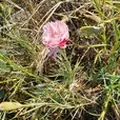
Carnation (Dianthus caryophyllus) — mediterranean perennial with narrow grey-green leaves and fragrant, clove-scented flowers with fringed or double petals in white, pink, red, yellow and many other shades, 30 cm to over 1 m tall. Border carnations are hardy; perpetual-flowering florists' carnations are grown under glass. Carnation grows best in full sun and soil with pH 6–8.

When to plant carnation?
Planted as a young plant from a nursery while it is dormant — in early spring before the buds open, or in autumn after leaf fall.
Quick facts
| Type | Flower |
|---|---|
| Latin name | Dianthus caryophyllus |
| Family | Caryophyllaceae |
| Also called | clove pink |
| Planted as | young plants from a nursery |
| Life span | perennial |
| Planting season | spring |
| Light | Full sun |
| Soil pH | 6–8 |
| Frost | tolerates light frost |
| Soil for planting | from 5 °C |
| First flowers | 108 days after growth starts |
| Flowering lasts | 90 days |
| Grown in | Greenhouse, Open ground, At home |
How long does carnation take from planting to flowering?
From planting to the first flowers: about 108 days, or 15 weeks.
| Step | Day |
|---|---|
| Planting | 0 |
| Growth starts | 0 |
| First flowers | 108 |
| End of flowering | 198 |
Days count from the day of sowing or planting, by the figures of the card.
Where does carnation grow?
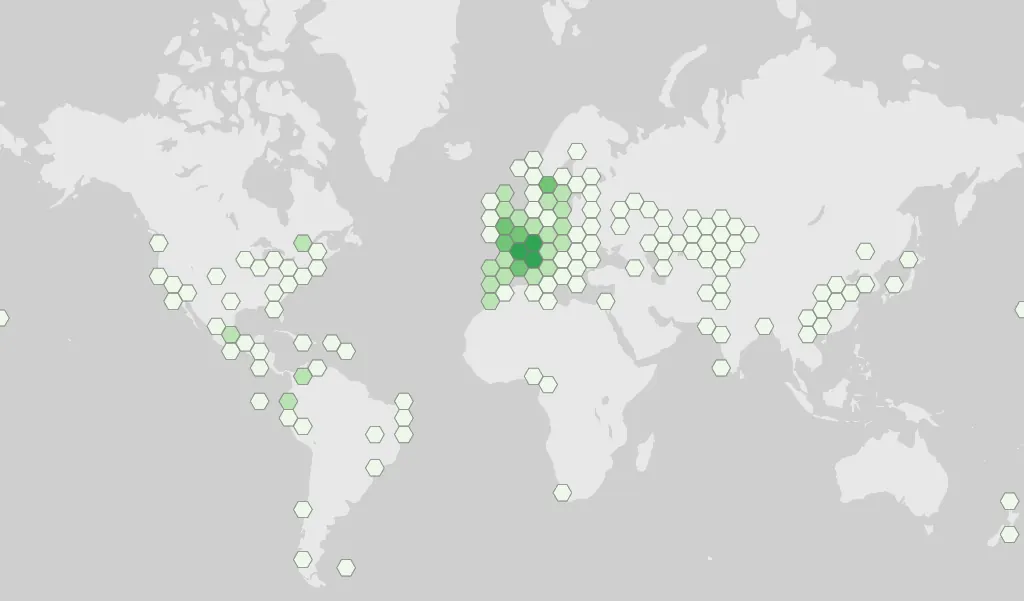
16,042 records of the plant in gardens, fields and the wild worldwide; most photos come from France, Italy, Switzerland, Spain, and United States.
Carnation care by growth stage
Greenhouse
| Stage | Watering | Temperature | Feeding |
|---|---|---|---|
| Growth | every 3 days | — | organic, at the start of the stage |
| Flowering | every 3 days | — | organic, at the start of the stage |
Open ground
| Stage | Watering | Temperature | Feeding |
|---|---|---|---|
| Growth | — | — | — |
| Flowering | — | — | — |
At home
| Stage | Watering | Temperature | Feeding |
|---|---|---|---|
| Growth | every 2 days | — | organic, at the start of the stage |
| Flowering | every 2 days | — | organic, at the start of the stage |
Growing notes
Light
Full sun. Carnations like cool summers and do poorly in great heat.
Soil
Free-draining, gritty soil rich in organic matter, neutral to slightly alkaline. Waterlogged ground kills them, so in heavy soil use a raised bed or a pot; they suffer more from winter wet than from cold.
Care
Plant in spring with the lowest leaves above the soil and keep it moist until the plants establish. After that border carnations need water only in long dry spells, while pots may need it daily in hot weather. In the ground they need no feeding; carnations under glass benefit from an organic liquid feed in the growing season. Tall stems need support, such as wire rings on canes. For larger blooms nip off some side buds; removing faded flowers down to the next bud keeps them coming. Plants go bare in the centre after a few years, so renew them from cuttings of non-flowering shoots in summer or by layering. Perpetual-flowering carnations flower all year under glass at 10 °C or more. Watch for rust, and under glass for spider mites and thrips. ASPCA lists carnation as toxic to cats, dogs and horses (mild stomach upset and skin irritation).
Pests and diseases of Carnation
2 problems are recorded for carnation; each has a page with symptoms, treatment and prevention.
Diseases
Pests
Other plants of the Caryophyllaceae family
Carnation belongs to Caryophyllaceae; 1 other plant of this family has a guide here.
 Sweet William
Plant lists it is in
Part of: Garden flowers · Perennial garden flowers · Long-flowering plants
Sources
Figures checked against these sources.
- gbif.org/species/3085420
- wikidata.org/wiki/Q158984
- en.wikipedia.org/wiki/Dianthus_caryophyllus
- uk.wikipedia.org/wiki/Гвоздики_садові
- ru.wikipedia.org/wiki/Гвоздика_садовая
- es.wikipedia.org/wiki/Dianthus_caryophyllus
- it.wikipedia.org/wiki/Dianthus_caryophyllus
- fr.wikipedia.org/wiki/Œillet_commun
- pt.wikipedia.org/wiki/Craveiro
- de.wikipedia.org/wiki/Landnelke
- cs.wikipedia.org/wiki/Hvozdík_zahradní
- pl.wikipedia.org/wiki/Goździk_ogrodowy
- plants.ces.ncsu.edu/plants/dianthus-caryophyllus/
- rhs.org.uk/plants/dianthus/growing-guide
- weather.gov/media/lsx/climate/stl/temp/temp_stl_freeze_data.pdf
- aspca.org/pet-care/animal-poison-control/toxic-and-non-toxic-plants/carnation
