 Greenly
Rust: how to recognise and treat it
Disease
Rust is a plant disease. It affects garlic, green beans, broad bean, leek and 37 more plants. Pale spots on the upper leaf surface, with raised powdery pustules mostly underneath; on beans they often have a yellow halo.

Key facts
| Type | Disease |
|---|---|
| Urgency | medium — the treatment plan starts the next day |
| Plants affected | 41 |
| Plant families | Amaryllidaceae, Asparagaceae, Asphodelaceae, Asteraceae, Buxaceae, Campanulaceae, Caryophyllaceae, Cupressaceae, Fabaceae, Geraniaceae, Gesneriaceae, Grossulariaceae, Iridaceae, Lamiaceae, Malvaceae, Onagraceae, Oxalidaceae, Plantaginaceae, Poaceae, Primulaceae, Rosaceae, Saxifragaceae |
| Symptoms described | 4 |
| Treatment options | organic and chemical (3 organic steps, 2 chemical) |
| Prevention measures | 4 |
| Sources | 35 |
Symptoms of rust
- Pale spots on the upper leaf surface, with raised powdery pustules mostly underneath; on beans they often have a yellow halo.
- Pustules are orange, yellow, brown, black or white depending on the rust; many turn dark in late summer and autumn.
- Badly affected leaves turn yellow and fall early; pustules can also appear on stalks, stems and pods.
- Heavy infection weakens the plant; a few rusts, such as antirrhinum rust, can kill it.
How to treat rust
Organic treatment
- Pick off the first affected leaves as soon as you see them — but only a few; stripping many leaves does more harm than good.
- Remove badly affected plants, which release huge numbers of spores; do not compost rusty leaves from late summer on, when they carry tough overwintering spores.
- Sulfur on plants its label covers, as a protectant at the first spots; it does little once rust is established.
Chemical treatment
- On roses and other ornamentals — a fungicide with tebuconazole + trifloxystrobin; follow the label.
- On edible crops — in the UK no fungicide with good activity against rust is available to home gardeners; elsewhere use only a product labelled for that crop and follow its dose and pre-harvest interval.
Reference information, not a guarantee. Read and follow the label of any product: dose, safety and the days to wait before harvest.
How to prevent rust
- Choose resistant varieties where they exist, for example of beans, currants and gooseberries.
- Water at the base in the morning, and space or thin plants so the leaves dry quickly — rust needs wet leaves.
- Avoid excess nitrogen fertiliser, which gives soft growth that rust colonises easily.
- Clear plant debris at the end of the season, rotate beans, and do not save seed from rust-affected crops; plant currants and gooseberries well away from five-needled pines.
Which plants are affected by rust?
41 plants are listed for rust; all have a guide and belong to 22 families.
Amaryllidaceae
 ChivesAllium schoenoprasum
 CliviaClivia miniata
 GarlicAllium sativum
 LeekAllium ampeloprasum
 OnionAllium cepa
 Ornamental onionAllium hollandicum
 ShallotAllium cepa
 Wild garlicAllium ursinum
Rosaceae
 AroniaAronia melanocarpa
 PearPyrus communis
 RaspberryRubus idaeus
 RoseRosa
 Saskatoon serviceberryAmelanchier alnifolia
Asteraceae
 Black-eyed Susan
 Chrysanthemum
 Sunflower
Grossulariaceae
 Blackcurrant
 Gooseberry
 Redcurrant
Caryophyllaceae
 Carnation
 Sweet William
Fabaceae
 Broad bean
 Green Beans
Geraniaceae
 Cranesbill
 Geranium
Lamiaceae
 Marjoram
 Mint
Asparagaceae
 Grape hyacinth
Asphodelaceae
 Daylily
Buxaceae
 Boxwood
Campanulaceae
 Carpathian bellflower
Cupressaceae
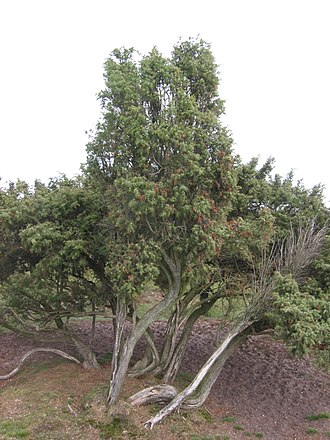 Common juniper
Gesneriaceae
 Gloxinia
Iridaceae
 Bearded Iris
Malvaceae
 Hollyhock
Onagraceae
 Fuchsia
Oxalidaceae
 Purple shamrock
Plantaginaceae
 Snapdragon
Poaceae
 Lemongrass
Primulaceae
 Primrose
Saxifragaceae
 Heuchera
Pests and diseases by plant
What else affects the same plants as rust?
- Two-spotted spider mite (Pest, shares 13 plants): Fine pale stippling or mottling on the upper leaf surface; leaves may turn bronze.
- Downy Mildew (Disease, shares 10 plants): Pale green, yellow, purple or brown blotches on the upper side of leaves, often angular where they are bordered by the veins.
- Scale insects (Pest, shares 10 plants): Small round or oval bumps on stems and along leaf veins, mostly underneath, that do not move and look like shells or scabs.
- White mould (Sclerotinia) (Disease, shares 10 plants): A soft, wet rot on stems, often near soil level; plants suddenly turn yellow, wilt and collapse.
- Grey mould (Disease, shares 9 plants): Fuzzy grey-brown mould on decaying buds, flowers, leaves, stems or fruit in humid weather.
- Vine weevil (Pest, shares 8 plants): Irregular notches in leaf edges in spring and summer, most visible on thick-leaved evergreens such as rhododendron.
Sources
Figures checked against these sources.
- en.wikipedia.org/wiki/Rust_(fungus)
- uk.wikipedia.org/wiki/Пукциніальні
- ru.wikipedia.org/wiki/Ржавчина_растений
- es.wikipedia.org/wiki/Pucciniales
- rhs.org.uk/disease/rust-diseases
- hortsense.cahnrs.wsu.edu/fact-sheet/bean-rust/
- rhs.org.uk/disease/leek-rust
- rhs.org.uk/disease/pear-rust
- rhs.org.uk/disease/chrysanthemum-white-rust
- rhs.org.uk/disease/iris-diseases
- rhs.org.uk/disease/runner-and-french-bean-rust
- ohioline.osu.edu/factsheet/HYG-3205
- pnwhandbooks.org/plantdisease/host-disease/gooseberry-currant-ribes-spp-blister-rust
- en.wikipedia.org/wiki/Puccinia_helianthi
- hgic.clemson.edu/factsheet/rudbeckia/
- en.wikipedia.org/wiki/Puccinia_sessilis
- plantmanagementnetwork.org/pub/trial/PDMR/volume8/abstracts/PF010.asp
- plants.ces.ncsu.edu/plants/amelanchier-alnifolia/
- missouribotanicalgarden.org/PlantFinder/PlantFinderDetails.aspx?taxonid=279027
- archivo.revistas.ucr.ac.cr/index.php/rbt/article/view/37340
- plants.ces.ncsu.edu/plants/allium-hollandicum/
- rhs.org.uk/plants/24372/campanula-carpatica/details
- rhs.org.uk/plants/dianthus/growing-guide
- plants.ces.ncsu.edu/plants/clivia-miniata/
- hgic.clemson.edu/factsheet/daylily-diseases-insect-pests/
- rhs.org.uk/disease/fuchsia-rust
- plants.ces.ncsu.edu/plants/sinningia-speciosa/
- plants.ces.ncsu.edu/plants/geranium-sanguineum/
- rhs.org.uk/plants/heuchera/growing-guide
- rhs.org.uk/disease/hollyhock-rust
- rhs.org.uk/plants/11247/muscari-armeniacum/details
- rhs.org.uk/plants/50979/oxalis-triangularis/details
- plants.ces.ncsu.edu/plants/primula-vulgaris/
- rhs.org.uk/herbs/marjoram/grow-your-own
- rhs.org.uk/advice/pdfs/fungicides-for-home-gardeners.pdf