 Greenly
Anthracnose: how to recognise and treat it
Disease
Anthracnose is a plant disease. It affects tomato, cucumber, bell pepper, eggplant and 14 more plants. Round, sunken spots on ripening fruit that darken in the centre, often with rings; in the end the whole fruit rots.

Key facts
| Type | Disease |
|---|---|
| Urgency | medium — the treatment plan starts the next day |
| Plants affected | 18 |
| Plant families | Asparagaceae, Asteraceae, Cactaceae, Cucurbitaceae, Fabaceae, Malvaceae, Rosaceae, Rutaceae, Solanaceae, Violaceae |
| Symptoms described | 4 |
| Treatment options | organic and chemical (3 organic steps, 1 chemical) |
| Prevention measures | 4 |
| Sources | 20 |
Symptoms of anthracnose
- Round, sunken spots on ripening fruit that darken in the centre, often with rings; in the end the whole fruit rots.
- In wet weather, slimy salmon-pink or orange spore masses appear in the middle of the spots.
- Sunken brown or black lesions on stems, leaf stalks and bean pods; on lupins the leaf stalks twist like a corkscrew.
- Brown or tan leaf spots with a darker border; the centres may drop out, leaving holes.
How to treat anthracnose
Organic treatment
- Pick off and destroy spotted fruit and leaves as soon as you see them; do not compost them.
- Stake or trellis plants so fruit does not lie on the soil, and harvest ripe fruit promptly.
- Spray a copper fungicide from fruit set, especially in wet spells; it protects healthy tissue but does not cure existing spots. Follow the label.
Chemical treatment
- Fungicide with azoxystrobin, where approved for home use on the crop, from first fruit set; follow the label dose and pre-harvest interval and alternate with a fungicide from another group.
Reference information, not a guarantee. Read and follow the label of any product: dose, safety and the days to wait before harvest.
How to prevent anthracnose
- Sow certified disease-free seed and never save seed from infected plants.
- Water at the base of plants; sprinklers splash spores onto fruit and leaves.
- Do not grow the same plant family in the bed for 3–4 years and clear plant debris at the end of the season.
- Mulch the soil so rain does not splash spores onto lower leaves and fruit.
Which plants are affected by anthracnose?
18 plants are listed for anthracnose; all have a guide and belong to 10 families.
Cucurbitaceae
 Chayote
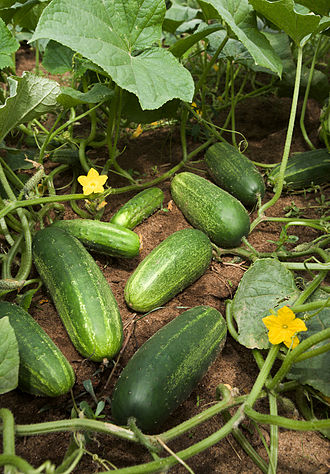 Cucumber
 Melon
 Watermelon
Solanaceae
 Bell PepperCapsicum annuum
 Chili PepperCapsicum annuum
 EggplantSolanum melongena
 TomatoSolanum lycopersicum
Fabaceae
 Green Beans
 Lupin
Malvaceae
 Hollyhock
 Money tree
Asparagaceae
 Hosta
Asteraceae
 Gerbera
Cactaceae
 Dragon fruit
Rosaceae
 Strawberry
Rutaceae
 Kumquat
Violaceae
 Pansy
Pests and diseases by plant
What else affects the same plants as anthracnose?
- Two-spotted spider mite (Pest, shares 14 plants): Fine pale stippling or mottling on the upper leaf surface; leaves may turn bronze.
- Whitefly (Pest, shares 11 plants): Clouds of tiny white-winged insects, about 1.5 mm long, fly up when the plant is disturbed.
- White mould (Sclerotinia) (Disease, shares 9 plants): A soft, wet rot on stems, often near soil level; plants suddenly turn yellow, wilt and collapse.
- Leaf Miner (Pest, shares 8 plants): Winding white or brown tunnels (mines) inside the leaf, or on beet, chard, spinach and celery large pale blotches that soon turn brown and papery.
- Verticillium wilt (Disease, shares 8 plants): Lower, older leaves yellow first — at the margins and between the main veins — then turn brown and wither; the damage moves up the plant.
- Leaf Curl Virus (Disease, shares 7 plants): Young leaves are small, curl upward and look crumpled, with yellowing between the veins and along the margins.
Sources
Figures checked against these sources.
- en.wikipedia.org/wiki/Anthracnose
- es.wikipedia.org/wiki/Antracnosis
- aoplatforma.com/reference/diseases/page/antraknoz-ogirki-garbuz-dinya-kavun
- aoplatforma.com/ru/reference/diseases/page/antraknoz-ogirki-garbuz-dinya-kavun
- blogs.cornell.edu/livegpath/gallery/tomato/anthracnose-on-tomatoes/
- ipm.ucanr.edu/agriculture/tomato/anthracnose/
- content.ces.ncsu.edu/anthracnose-of-pepper
- vegetables.cornell.edu/pest-management/disease-factsheets/anthracnose-of-cucurbits/
- hgic.clemson.edu/factsheet/bean-southern-pea-diseases/
- rhs.org.uk/disease/lupin-anthracnose
- extension.psu.edu/hosta-diseases
- ephytia.inrae.fr/en/C/7474/Eggplant-Anthracnosis-Colletotrichum-and-Gloeosporium-spp
- extension.psu.edu/pansy-diseases
- plants.ces.ncsu.edu/plants/pachira-aquatica/
- plants.ces.ncsu.edu/plants/hylocereus-undatus/
- ipm.ucanr.edu/home-and-landscape/citrus/
- alice.cnptia.embrapa.br/alice/handle/doc/1172434
- hgic.clemson.edu/factsheet/gerbera-daisy/
- plants.ces.ncsu.edu/plants/alcea-rosea/
- yardandgarden.extension.iastate.edu/encyclopedia/cucurbit-anthracnose
