 Greenly
How to grow passion fruit
Passiflora edulis · passionfruit, purple granadilla
When to plant passion fruit?
Plant young plants straight into the bed after your last spring frost, once the soil has warmed.
In an unheated greenhouse everything moves about three weeks earlier.
The first harvest comes about 365 days after planting.
Passion fruit (Passiflora edulis) — passion fruit is a vigorous evergreen climber from southern Brazil, Paraguay and northern Argentina that grips its support with tendrils and bears egg-shaped purple or yellow fruit full of fragrant, sweet-tart pulp and seeds. It is tropical and needs at least 10–16 °C in winter, so in cool climates it is grown in a large pot in a heated greenhouse, conservatory or bright room. A vine begins to bear in 1–3 years, and each fruit ripens 70–80 days after its flower is pollinated. Very young, unripe fruit contains a cyanogenic glycoside; in ripe, wrinkled fruit the level is too low to matter. Passion fruit grows best in full sun and soil with pH 6.5–7.5. Water it about every 7 days while it grows.

Quick facts
| Type | Berry |
|---|---|
| Latin name | Passiflora edulis |
| Family | Passifloraceae |
| Also called | passionfruit, purple granadilla |
| Planted as | young plants from a nursery |
| Life span | perennial |
| Planting season | spring |
| Light | Full sun |
| Soil pH | 6.5–7.5 |
| Frost | does not tolerate frost |
| Soil for planting | from 15 °C |
| Growth starts | 14 days after planting |
| First harvest after planting | about 1 year |
| Grown in | Greenhouse, Open ground, At home |
How long does it take to grow passion fruit?
From planting to the first harvest: about 365 days (52 weeks). Growth starts after about 14 days, then it takes about 351 days more to the first harvest.
- Before growth starts — 14 days
- Growing — 351 days
| Step | Day |
|---|---|
| Planting | 0 |
| Growth starts | 14 |
| First harvest | 365 |
Days count from the day of sowing or planting, by the figures of the card. In an unheated greenhouse the Greenly calendar brings the harvest about 10 % sooner.
Passion fruit is number 9 of 24 perennials and berry bushes on our list, from the fastest to the slowest. Close to it on the list: jerusalem artichoke (210 days), artichoke (365 days), rhubarb (400 days), haskap (440 days). Days to harvest: all vegetables, herbs and berries
Where does passion fruit grow?
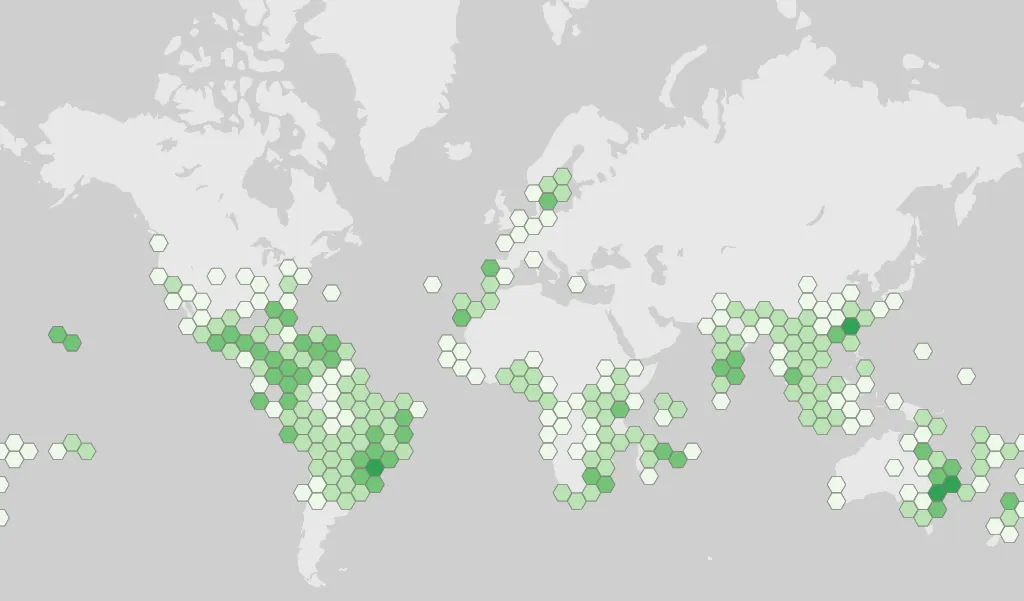
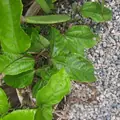
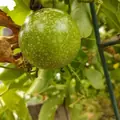
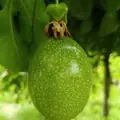
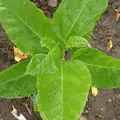
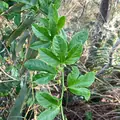
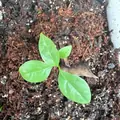
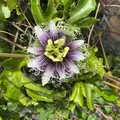
16,642 records of the plant in gardens, fields and the wild worldwide; most photos come from Brazil, Australia, United States, Peru, and India.

Passion fruit care by growth stage
Greenhouse
| Stage | Watering | Temperature | Feeding |
|---|---|---|---|
| Growth | every 3 days | — | potassium, at the start of the stage; potassium, 35 days into the stage |
| Flowering | every 3 days | — | potassium, at the start of the stage |
| Fruiting | every 3 days | — | potassium, at the start of the stage; potassium, 35 days into the stage |
| Harvest | every 3 days | — | — |
Open ground
| Stage | Watering | Temperature | Feeding |
|---|---|---|---|
| Growth | every 7 days | — | potassium, at the start of the stage |
| Flowering | every 7 days | — | — |
| Fruiting | every 7 days | — | potassium, at the start of the stage |
| Harvest | every 7 days | — | — |
At home
| Stage | Watering | Temperature | Feeding |
|---|---|---|---|
| Growth | every 3 days | — | potassium, at the start of the stage; potassium, 35 days into the stage |
| Flowering | every 3 days | — | potassium, at the start of the stage |
| Fruiting | every 3 days | — | potassium, at the start of the stage; potassium, 35 days into the stage |
| Harvest | every 3 days | — | — |
Growing notes
Light
Give it full sun and lots of light; under glass, shade it lightly in hot summer weather so the leaves do not scorch.
Soil
Grow it in a large container, from 30 cm across, of loam-based compost with extra drainage, or in the ground in rich, very well-drained soil with a pH of 6.5–7.5. The roots are shallow and benefit from a thick organic mulch.
Care
Give it a strong trellis or wires to climb. Water container plants as soon as the surface looks dry and plants in the ground once a week in dry spells; dry soil makes flower buds and fruit drop, and the need is greatest as the fruit nears ripeness. From March to October feed every four to six weeks with a potassium-rich feed; too much nitrogen gives leaves instead of flowers. Purple passion fruit is self-fertile, but under glass transfer pollen with a soft brush when the flowers open to make sure fruit sets. In winter keep it at no less than 10–16 °C, water less and do not feed. Prune in early spring, removing weak growth and cutting strong shoots back by about a third, and repot every 2–3 years.
How to tell it is ripe
- The skin turns quickly from green to deep purple, or to yellow in yellow varieties.
- A ripe fruit falls from the vine within a few days of colouring.
- The fruit is at its sweetest when the skin has started to wrinkle.
- Pick fruit once it has fully coloured, or gather fallen fruit every day.
- Leave picked fruit at room temperature until the skin wrinkles slightly before eating it.
- Store passion fruit in bags at about 10 °C, where they keep 2–3 weeks; the pulp and juice also freeze well.
Pests and diseases of Passion fruit
2 problems are recorded for passion fruit; each has a page with symptoms, treatment and prevention.
Diseases
Pests
Plant lists it is in
Sources
Figures checked against these sources.
- gbif.org/species/2874190
- wikidata.org/wiki/Q156790
- en.wikipedia.org/wiki/Passiflora_edulis
- uk.wikipedia.org/wiki/Маракуя
- ru.wikipedia.org/wiki/Страстоцвет_съедобный
- es.wikipedia.org/wiki/Passiflora_edulis
- hort.purdue.edu/newcrop/morton/passionfruit.html
- crfg.org/homepage/library/fruitfacts/passion-fruit/
- rhs.org.uk/plants/69583/passiflora-edulis-f/details
- rhs.org.uk/plants/passion-flower/edible
- rhs.org.uk/plants/passion-flower/growing-guide
