 Greenly
Sviluška chmelová: jak poznat a léčit
Škůdce
Sviluška chmelová: škůdce rostlin. Postihuje: rajče, okurka, paprika, lilek a ještě 110 dalších rostlin. Jemné světlé tečkování nebo mramorování na líci listů; listy mohou bronzovět.

Stručně
| Druh | Škůdce |
|---|---|
| Naléhavost | střední — plán ošetření začíná následující den |
| Postižené rostliny | 114 |
| Čeledi rostlin | Acanthaceae, Actinidiaceae, Aizoaceae, Amaranthaceae, Apocynaceae, Araceae, Araliaceae, Arecaceae, Asparagaceae, Asphodelaceae, Asteraceae, Balsaminaceae, Begoniaceae, Bignoniaceae, Brassicaceae, Bromeliaceae, Cactaceae, Caryophyllaceae, Commelinaceae, Crassulaceae, Cucurbitaceae, Cycadaceae, Droseraceae, Euphorbiaceae, Fabaceae, Geraniaceae, Iridaceae, Lamiaceae, Malvaceae, Marantaceae, Moraceae, Nephrolepidaceae, Oleaceae, Onagraceae, Passifloraceae, Piperaceae, Poaceae, Polemoniaceae, Polypodiaceae, Primulaceae, Ranunculaceae, Rosaceae, Rubiaceae, Rutaceae, Solanaceae, Strelitziaceae, Urticaceae, Verbenaceae, Violaceae, Vitaceae |
| Popsané příznaky | 4 |
| Možnosti ochrany | biologická i chemická (3 biologické kroky, 1 chemický) |
| Preventivní opatření | 4 |
| Zdroje | 109 |
Sviluška chmelová: příznaky
- Jemné světlé tečkování nebo mramorování na líci listů; listy mohou bronzovět.
- Drobní žlutozelení roztoči se dvěma tmavými skvrnami, bílé svlečky a vajíčka na rubu listů — nejlépe vidět lupou s 10násobným zvětšením.
- Při silném napadení jemná pavučinka přes listy a vrcholy výhonů.
- Listy žloutnou nebo červenají, usychají a opadávají; silně napadené rostliny slábnou a mohou uhynout. Nejhorší je to v horku, suchu a prachu.
Sviluška chmelová: ochrana a léčba
Biologická ochrana
- Rub listů silně ostříkejte vodou, nejméně jednou denně, dokud jsou roztoči přítomni.
- Draselné mýdlo nebo zahradnický či rostlinný olej (například neemový) s úplným pokrytím rubu listů; nejdřív vyzkoušejte na jedné rostlině a nepostřikujte rostliny trpící nedostatkem vody ani ve velkém horku.
- Ve skleníku nebo zimní zahradě vypusťte dravého roztoče Phytoseiulus persimilis; pomáhá i Amblyseius californicus nebo dravá bejlomorka Feltiella acarisuga.
Chemická ochrana
- Postřiky sírou na rostliny, které etiketa dovoluje — ne na tykvovité, ne nad 32 °C a ne do 30 dnů od postřiku olejem; vyhněte se pyrethroidům a karbarylu, které hubí predátory roztočů a mohou přemnožení zhoršit.
Informace pro orientaci, bez záruky. Přečtěte si etiketu každého přípravku a řiďte se jí: dávka, bezpečnost a ochranná lhůta před sklizní.
Sviluška chmelová: prevence
- Rostliny dobře zalévejte — nejvíc trpí rostliny stresované suchem.
- Omezte prach mulčem a pravidelnou zálivkou a zaprášené listy opláchněte; ve sklenících zvyšte vlhkost kropením, které riziko snižuje, ale samo svilušky neomezí.
- Od jara do podzimu kontrolujte rub listů lupou a koncem léta silně napadené rostliny ze skleníku odstraňte.
- V zimě vyčistěte skleník od rostlinných zbytků, starých tyček a úvazků, umyjte ho a omezujte plevele uvnitř i kolem něj.
Sviluška chmelová: které rostliny postihuje?
Sviluška chmelová: 114 rostlin na seznamu; všechny mají návod a patří do 50 čeledí.
Araceae
 AglaonemaAglaonema commutatum
 AlokázieAlocasia × mortfontanensis
 DifenbachieDieffenbachia seguine
 FilodendronPhilodendron hederaceum
 KalaZantedeschia
 LopatkovecSpathiphyllum wallisii
 Mini monsteraRhaphidophora tetrasperma
 MonsteraMonstera deliciosa
 SyngoniumSyngonium podophyllum
 ToulitkaAnthurium andraeanum
Asparagaceae
 AspidistraAspidistra elatior
 Bokarnea tlustokmennáBeaucarnea recurvata
 DracénaDracaena marginata
 Dračinec pruhovanýDracaena sanderiana
 Dračinka křovitáCordyline fruticosa
 Tchýnin jazykDracaena trifasciata
 ZelenecChlorophytum comosum
Asteraceae
 AksamitníkTagetes erecta
 AstraCallistephus chinensis
 GerberaGerbera jamesonii
 ChryzantémaChrysanthemum × morifolium
 OstálkaZinnia elegans
 StévieStevia rebaudiana
 TřapatkaRudbeckia hirta
Cucurbitaceae
 CuketaCucurbita pepo
 Cukrový melounCucumis melo
 DýněCucurbita pepo
 LufaLuffa aegyptiaca
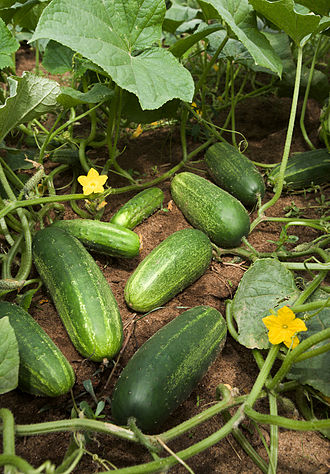 OkurkaCucumis sativus
 Vodní melounCitrullus lanatus
Arecaceae
 ArekaDypsis lutescens
 Datlovník zakrslýPhoenix roebelenii
 ChamédoreaChamaedorea elegans
 Kencie ForsterovaHowea forsteriana
 RapisRhapis excelsa
Cactaceae
 GymnocalyciumGymnocalycium
 MamilárieMammillaria
 RhipsalisRhipsalis baccifera
 Vánoční kaktusSchlumbergera truncata
 Velikonoční kaktusHatiora gaertneri
Rosaceae
 BroskvoňPrunus persica
 JahodníkFragaria ananassa
 MaliníkRubus idaeus
 MuchovníkAmelanchier alnifolia
 RůžeRosa
Solanaceae
 GojiLycium barbarum
 Chilli paprikaCapsicum annuum
 LilekSolanum melongena
 PaprikaCapsicum annuum
 RajčeSolanum lycopersicum
Marantaceae
 Ctenanthe
 Kalatea
 Maranta
 Stromanthe
Moraceae
 Fíkovník benjaminaFicus benjamina
 Fíkovník lyrovitýFicus lyrata
 Fíkovník plazivýFicus pumila
 Fíkovník pryžodárnýFicus elastica
Acanthaceae
 Aphelandra
 Fitónie
 Hypoestes
Crassulaceae
 Echeverie
 Kalanchoe
 Tlustice
Fabaceae
 Fazolové lusky
 Hrách
 Sója
Malvaceae
 Ibišek čínský
 Pachira
 Topolovka růžová
Apocynaceae
 Věncovec květnatý
 Voskovka
Araliaceae
 Břečťan
 Šeflera
Asphodelaceae
 Denivka
 Gastérie
Euphorbiaceae
 Kroton
 Vánoční hvězda
Lamiaceae
 Pochvatec šišákovitý
 Šalvěj zářivá
Primulaceae
 Brambořík
 Prvosenka
Rubiaceae
 Gardénie jasmínovitá
 Kávovník arabský
Vitaceae
 Vinná réva
 Žumen routolistý
Actinidiaceae
 Aktinidie
Aizoaceae
 Lithops
Amaranthaceae
 Nevadlec
Balsaminaceae
 Netýkavka turecká
Begoniaceae
 Begónie hlíznatá
Bignoniaceae
 Radermachera
Brassicaceae
 Potočnice
Bromeliaceae
 Guzmánie
Caryophyllaceae
 Karafiát
Commelinaceae
 Podeňka
Cycadaceae
 Cykas japonský
Droseraceae
 Mucholapka podivná
Geraniaceae
 Muškát
Iridaceae
 Frézie
Nephrolepidaceae
 Nefrolepis
Oleaceae
 Jasmín mnohokvětý
Onagraceae
 Fuchsie
Passifloraceae
 Mučenka jedlá
Piperaceae
 Peperomie
Poaceae
 Citronová tráva
Polemoniaceae
 Plamenka
Polypodiaceae
 Parožnatka
Ranunculaceae
 Ostrožka
Rutaceae
 Kumkvat
Strelitziaceae
 Strelície
Urticaceae
 Pilea pepřincová
Verbenaceae
 Sporýš zahradní
Violaceae
 Maceška
Škůdci a choroby podle rostlin
- Aksamitník
- Astra
- Begónie hlíznatá
- Brambořík
- Broskvoň
- Cuketa
- Cukrový meloun
- Denivka
- Fazolové lusky
- Gardénie jasmínovitá
- Gerbera
- Hrách
- Chilli paprika
- Chryzantéma
- Jahodník
- Kumkvat
- Lilek
- Lufa
- Maceška
- Maliník
- Muchovník
- Muškát
- Netýkavka turecká
- Okurka
- Ostálka
- Ostrožka
- Pochvatec šišákovitý
- Prvosenka
- Rajče
- Růže
- Sporýš zahradní
- Topolovka růžová
- Třapatka
- Vinná réva
- Vodní meloun
Sviluška chmelová: co dalšího napadá stejné rostliny?
- Štítenky a puklice (Škůdce, 60 společných rostlin): Malé kulaté nebo oválné hrbolky na stoncích a podél žilek listů, hlavně na rubu, které se nehýbou a vypadají jako mušličky nebo strupy.
- Molice (Škůdce, 34 společných rostlin): Při vyrušení rostliny vzlétají mračna drobného hmyzu s bílými křídly, dlouhého asi 1,5 mm.
- Plíseň šedá (Choroba, 29 společných rostlin): Za vlhkého počasí chlupatý šedohnědý povlak na odumírajících poupatech, květech, listech, stoncích nebo plodech.
- Bílá hniloba (sklerotinie) (Choroba, 21 společných rostlin): Měkká, mokrá hniloba na stoncích, často u země; rostliny náhle žloutnou, vadnou a hroutí se.
- Vrtalky (Škůdce, 15 společných rostlin): Klikaté bílé nebo hnědé chodbičky (miny) uvnitř listu, nebo u červené řepy, mangoldu, špenátu a celeru velké světlé skvrny, které brzy zhnědnou a zpapíratí.
- Verticiliové vadnutí (Choroba, 15 společných rostlin): Nejdřív žloutnou spodní, starší listy — na okrajích a mezi hlavními žilkami — pak hnědnou a usychají; poškození postupuje po rostlině nahoru.
Zdroje
Údaje ověřené v těchto zdrojích.
- en.wikipedia.org/wiki/Tetranychus_urticae
- uk.wikipedia.org/wiki/Павутинний_кліщ_звичайний
- ru.wikipedia.org/wiki/Обыкновенный_паутинный_клещ
- es.wikipedia.org/wiki/Tetranychus_urticae
- it.wikipedia.org/wiki/Tetranychus_urticae
- de.wikipedia.org/wiki/Gemeine_Spinnmilbe
- rhs.org.uk/biodiversity/glasshouse-red-spider-mite
- ipm.ucanr.edu/PMG/PESTNOTES/pn7405.html
- rhs.org.uk/biodiversity/indoor-plants-sap-feeding-insects
- extension.umd.edu/resource/two-spotted-spider-mites-and-cyclamen-mites-found-strawberries
- extension.oregonstate.edu/catalog/ec-1306-growing-raspberries-your-home-garden
- extension.usu.edu/yardandgarden/research/watercress-in-the-garden
- hgic.clemson.edu/factsheet/peace-lily/
- plants.ces.ncsu.edu/plants/strelitzia-reginae/
- hgic.clemson.edu/factsheet/arrowhead-vine-syngonium-spp-indoor-care-growing-tips-plant-gui
- plants.ces.ncsu.edu/plants/tradescantia-zebrina/
- plants.ces.ncsu.edu/plants/callistephus-chinensis/
- hgic.clemson.edu/factsheet/begonia/
- hgic.clemson.edu/factsheet/chrysanthemum/
- plants.ces.ncsu.edu/plants/delphinium/
- plants.ces.ncsu.edu/plants/chamaedorea-elegans/
- plants.ces.ncsu.edu/plants/philodendron-hederaceum/
- hgic.clemson.edu/factsheet/schefflera-2/
- rhs.org.uk/plants/12078/pachira-aquatica/details
- hgic.clemson.edu/factsheet/peperomia-peperomia-spp-indoor-plant-care-and-growing-guide/
- plants.ces.ncsu.edu/plants/dracaena-trifasciata/
- plants.ces.ncsu.edu/plants/pelargonium-hortorum/
- plants.ces.ncsu.edu/plants/ficus-lyrata/
- plants.ces.ncsu.edu/plants/fittonia-albivenis/
- plants.ces.ncsu.edu/plants/hedera-helix/
- plants.ces.ncsu.edu/plants/hoya-carnosa/
- plants.ces.ncsu.edu/plants/crassula-ovata/
- plants.ces.ncsu.edu/plants/kalanchoe-blossfeldiana/
- plants.ces.ncsu.edu/plants/maranta-leuconeura/
- rhs.org.uk/plants/11192/monstera-deliciosa-f/details
- plants.ces.ncsu.edu/plants/alocasia-x-mortfontanensis/
- hgic.clemson.edu/factsheet/chinese-evergreen-aglaonema-care-cultivation-growing-guide/
- plants.ces.ncsu.edu/plants/anthurium-andraeanum/
- plants.ces.ncsu.edu/plants/dypsis-lutescens/
- rhs.org.uk/plants/aspidistra/how-to-grow-aspidistras
- plants.ces.ncsu.edu/plants/nephrolepis-exaltata/
- rhs.org.uk/plants/calathea/growing-guide
- hgic.clemson.edu/factsheet/phlox/
- site.extension.uga.edu/camdenanr/2023/06/basic-rose-culture/
- hgic.clemson.edu/factsheet/rudbeckia/
- hgic.clemson.edu/factsheet/zinnia/
- hgic.clemson.edu/factsheet/marigold/
- hgic.clemson.edu/factsheet/pansies-and-johnny-jump-ups/
- hgic.clemson.edu/factsheet/spider-plant/
- hort.extension.wisc.edu/articles/holiday-cactus/
- hort.extension.wisc.edu/articles/croton-codiaeum-variegatum/
- hgic.clemson.edu/factsheet/cyclamen/
- hgic.clemson.edu/factsheet/dieffenbachia/
- hgic.clemson.edu/factsheet/dracaena/
- rhs.org.uk/plants/types/cacti-succulents/houseplants/growing-guide
- hgic.clemson.edu/factsheet/weeping-ficus/
- hgic.clemson.edu/factsheet/rubber-plant/
- plants.ces.ncsu.edu/plants/stevia-rebaudiana/
- plants.ces.ncsu.edu/plants/celosia-argentea/
- extension.usu.edu/yardandgarden/research/goji-in-the-garden.php
- extension.psu.edu/hardy-kiwi-in-the-home-fruit-planting
- plants.ces.ncsu.edu/plants/amelanchier-alnifolia/
- extension.usu.edu/yardandgarden/research/lemongrass-in-the-garden.pdf
- rhs.org.uk/plants/citrus/growing-guide
- growables.org/information/TropicalFruit/PassionfruitPests.htm
- plants.ces.ncsu.edu/plants/luffa-aegyptiaca/
- rhs.org.uk/plants/zantedeschia/growing-guide
- rhs.org.uk/plants/dianthus/growing-guide
- missouribotanicalgarden.org/PlantFinder/PlantFinderDetails.aspx?kempercode=a547
- hgic.clemson.edu/factsheet/daylily-diseases-insect-pests/
- rhs.org.uk/plants/freesia/growing-guide
- plants.ces.ncsu.edu/plants/fuchsia-x-hybrida/
- rhs.org.uk/plants/gardenia/how-to-grow
- hgic.clemson.edu/factsheet/gerbera-daisy/
- plants.ces.ncsu.edu/plants/guzmania-lingulata/
- rhs.org.uk/plants/hibiscus/growing-guide
- plants.ces.ncsu.edu/plants/alcea-rosea/
- plants.ces.ncsu.edu/plants/impatiens-walleriana/
- rhs.org.uk/plants/jasmine/growing-guide
- plants.ces.ncsu.edu/plants/lithops/
- hgic.clemson.edu/how-to-grow-and-care-for-lucky-bamboo-dracaena-sanderiana/
- plants.ces.ncsu.edu/plants/mammillaria/
- plants.ces.ncsu.edu/plants/pilea-peperomioides/
- hgic.clemson.edu/factsheet/poinsettia/
- rhs.org.uk/plants/1993/beaucarnea-recurvata/details
- plants.ces.ncsu.edu/plants/primula-vulgaris/
- plants.ces.ncsu.edu/plants/rhipsalis-baccifera/
- plants.ces.ncsu.edu/plants/salvia-splendens/
- rhs.org.uk/plants/17784/stephanotis-floribunda/details
- hgic.clemson.edu/factsheet/verbena/
- plants.ces.ncsu.edu/plants/aphelandra-squarrosa/
- rhs.org.uk/plants/64602/i-cissus-rhombifolia-i/details
- rhs.org.uk/plants/43794/cordyline-fruticosa-kiwi/details
- rhs.org.uk/plants/5127/cycas-revoluta/details
- plants.ces.ncsu.edu/plants/dionaea-muscipula/
- rhs.org.uk/plants/7210/ficus-pumila/details
- plants.ces.ncsu.edu/plants/gasteria-bicolor/
- rhs.org.uk/plants/8845/howea-forsteriana/details
- rhs.org.uk/plants/hypoestes/how-to-grow-hypoestes
- plants.ces.ncsu.edu/plants/platycerium-bifurcatum/
- rhs.org.uk/plants/106221/radermachera-sinica/details
- plants.ces.ncsu.edu/plants/rhaphidophora-tetrasperma/
- plants.ces.ncsu.edu/plants/stromanthe-sanguinea/
- rhs.org.uk/plants/4159/coffea-arabica/details
- plants.ces.ncsu.edu/plants/gymnocalycium-mihanovichii/
- plants.ces.ncsu.edu/plants/hatiora-gaertneri/
- rhs.org.uk/plants/12771/phoenix-roebelenii/details
- rhs.org.uk/plants/14466/rhapis-excelsa/details
- pubs.ext.vt.edu/SPES/spes-455/spes-455.html
